High Altitude Wines: The Rugged Grace of Salta
Exploring desert terroir, ancient adobe estancias, and the mineral elegance of Andean viticulture.
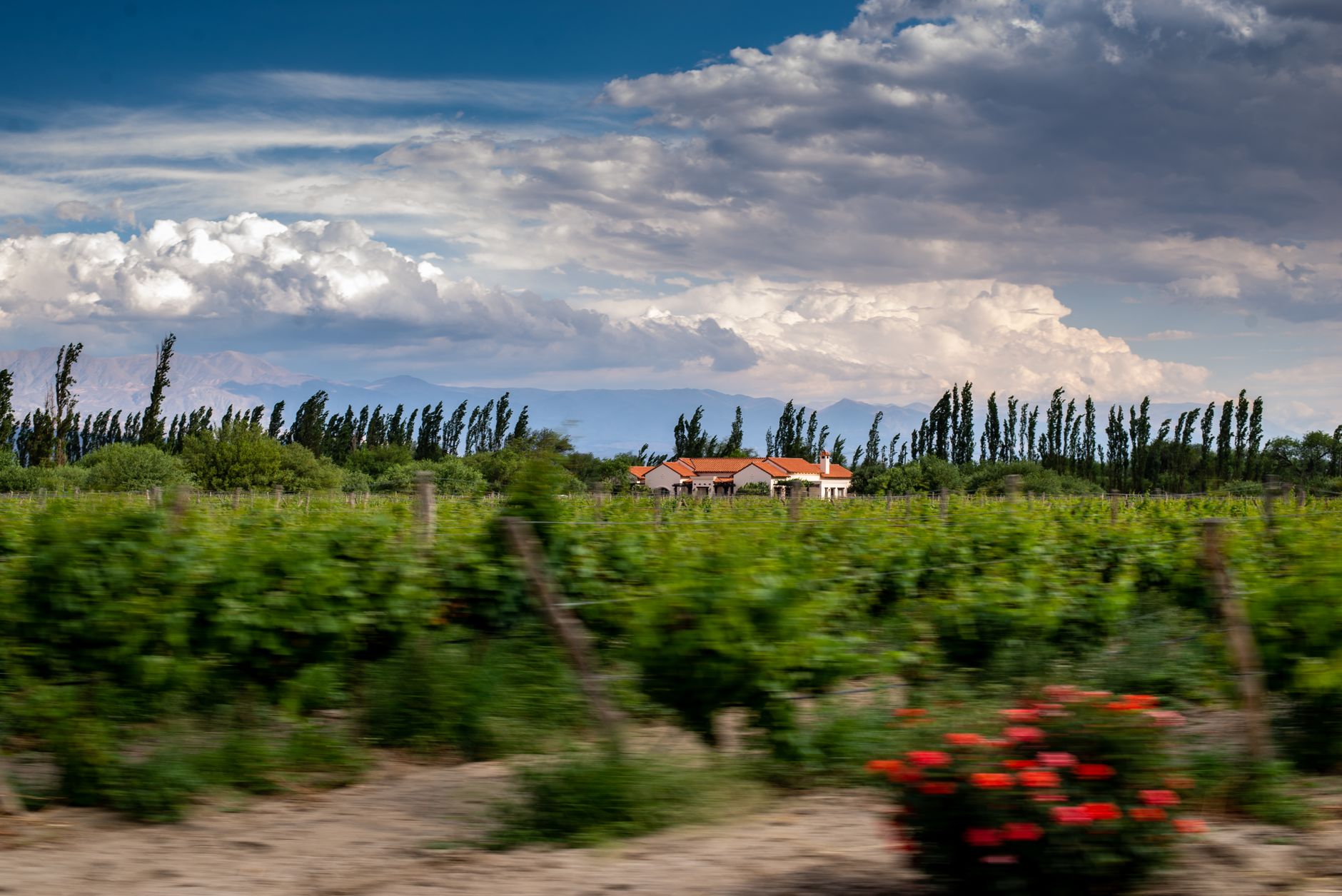
The Calchaquí Valleys in northwest Argentina challenge standard viticultural logic. Located between 1,700 and 3,100 meters above sea level, these vineyards exist beneath an intense, high-altitude sun, tempered only by icy evening winds descending directly from the snowbound Andean cordillera.
1. The Unique Character of Torrontés
Here, the indigenous white grape Torrontés attains unprecedented complexity. While low-altitude iterations can turn flabby and excessively floral, the dramatic diurnal temperature shifts of Cafayate preserve crisp acidity and infuse the juice with notes of jasmine, white peach, and crushed granite minerals.
"The vine endures extreme UV exposure and desert drought, translating its struggle into profound aromatic clarity."
2. Adobe Sanctuaries of the High Desert
Beyond the cellar doors, the region’s hospitality centers around century-old estancias crafted from thick sundried adobe bricks and cardón cactus timber. These thick walls insulate against the midday sun, creating tranquil interiors scented with dried lavender and woodsmoke.
Evenings are spent around communal terracotta tables, savoring clay-oven empanadas folded with spiced beef and pairing them with high-altitude Malbec under constellations untouched by metropolitan light pollution.