Kyoto’s Whispering Bamboo: Architecture of Stillness
Meditations on timber joinery, raked moss gardens, and the contemplative soundscapes of Kansai.
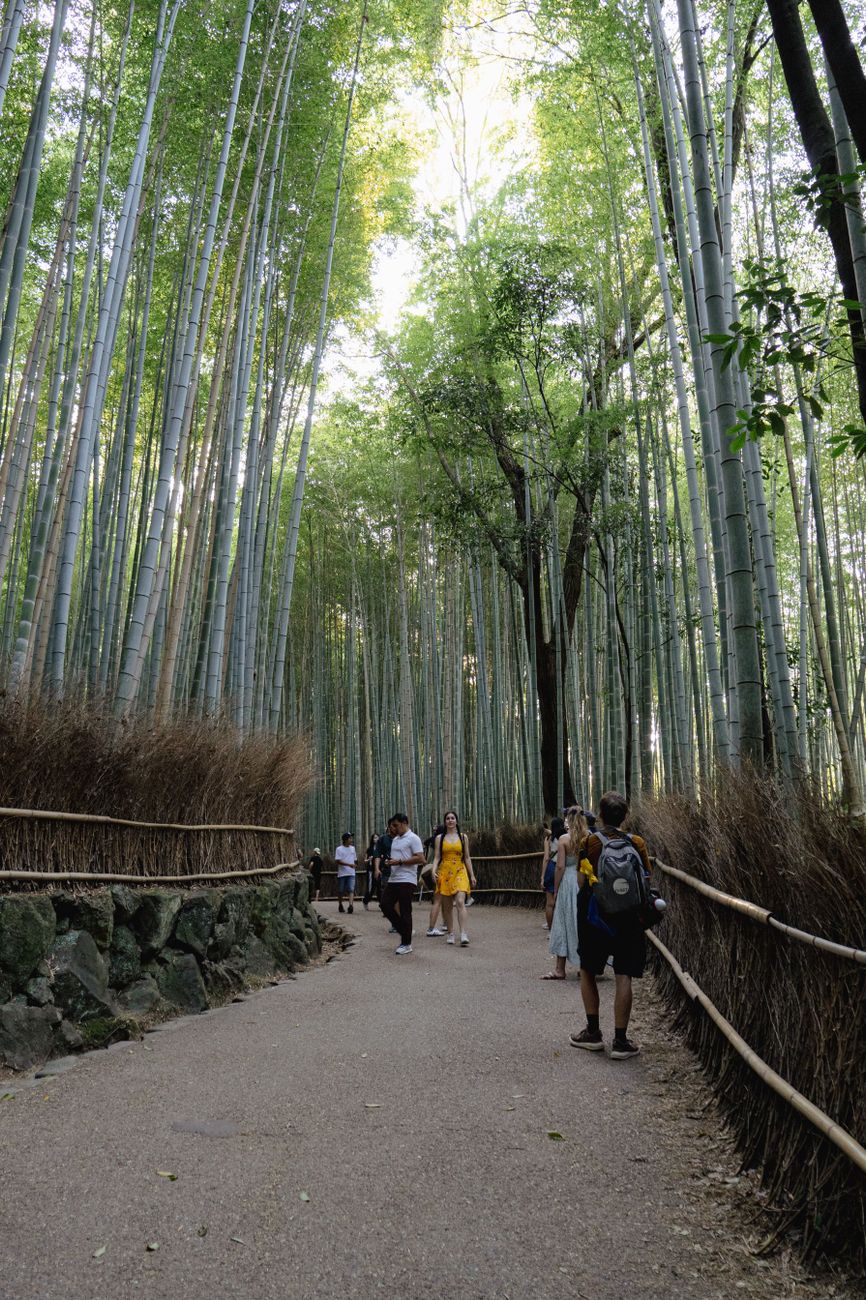
At dawn in western Kyoto, the wind creates a hollow, rhythmic percussion as tall bamboo culms gently tap one another in the Sagano groves. Long before travelers assemble, this green corridor retains its centuries-old aura of spiritual refuge.
1. The Discipline of Ma (Negative Space)
Japanese aesthetics revolve around ma—the deliberate interval between physical objects or sounds. Nowhere is this more exquisitely articulated than in the sub-temples of Daitoku-ji and Tenryu-ji. The dry gravel gardens (karesansui) are raked in undulating concentric patterns around mossy boulders, inviting the observer to contemplate infinity within a confined courtyard.
"True refinement does not accumulate objects; it subtracts everything that does not contribute to inner composure."
2. The Machiya Renaissance
In Kyoto's historic artisan quarters, young master carpenters and designers are meticulously restoring traditional wooden townhouses known as machiya. Utilizing joinery techniques that require neither nails nor synthetic adhesives, these dwellings regulate humidity naturally through clay plaster walls and internal courtyard gardens (tsuboniwa).
A night spent in a restored machiya, listening to rainfall cascade into courtyard ferns from cedar eaves, reconnects modern travelers with timeless artisanal wisdom.