The Quiet Fjords of the North: Navigating Western Norway
A chronicle of cold mist, slate cliffs, and the mindful renewal of maritime sanctuaries along the Aurlandsfjord.
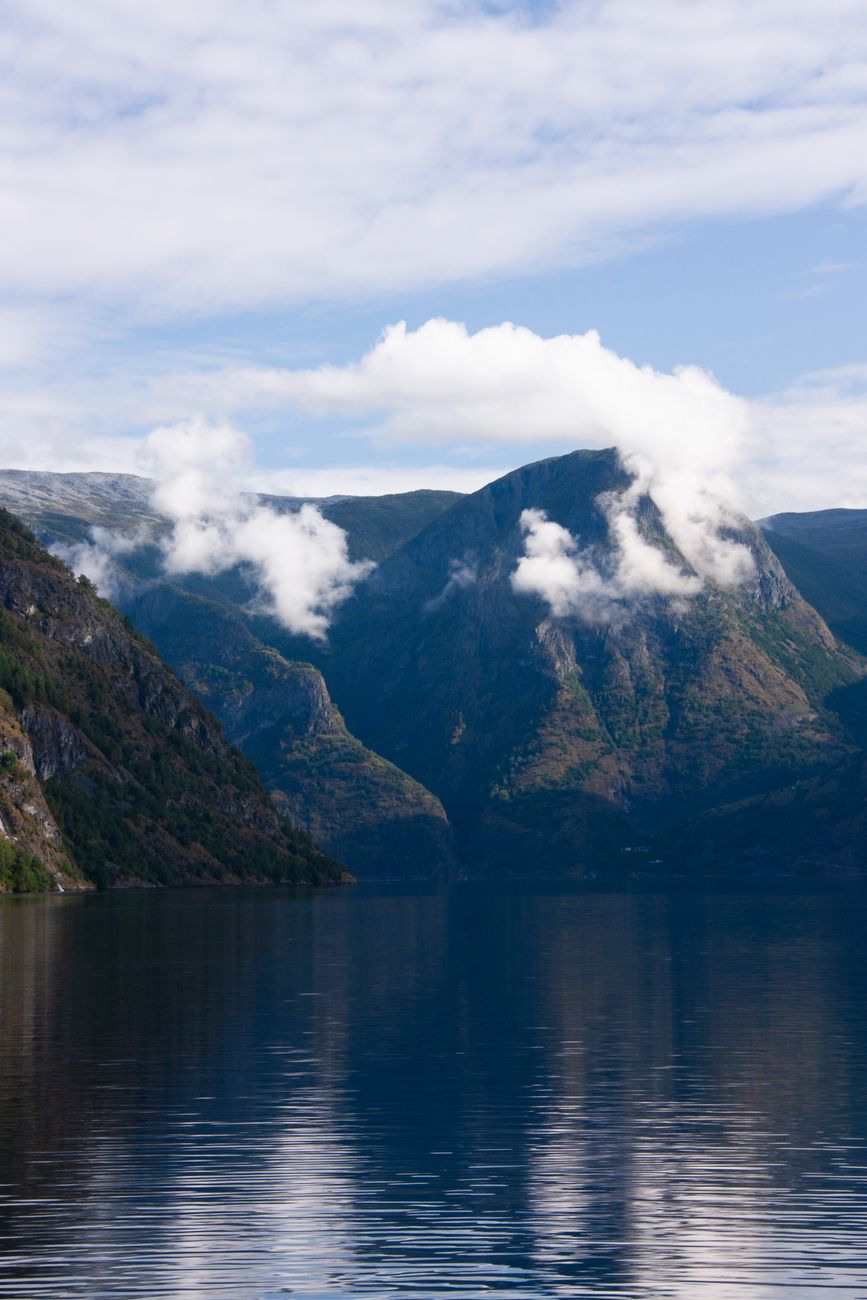
The ferry departs Flåm as morning fog still clings to the vertical granite walls of Aurlandsfjord. There are no diesel vibrations on this vessel; powered by electric battery arrays, it glides across the dark, mirror-calm salt water with nothing more than the gentle murmur of displaced tide.
1. The Anatomy of Northern Silence
In western Scandinavia, silence is not merely an absence of decibels, but a tactile presence. The sheer mountain faces rise over one thousand meters above sea level, their dark bedrock striped with narrow ribbons of glacial meltwater cascading in slow motion. For generations, isolated farming hamlets such as Undredal survived here exclusively by boat, tending goats and producing caramel-brown geitost cheese preserved in subterranean cellars.
"To move through the fjord without engine din is to restore proportion between human vulnerability and ancient geography."
2. Architecture Rooted in Moss & Pine
Over recent decades, Nordic architects have reimagined the relationship between shelter and landscape. Rather than building monumental resorts, contemporary hideaways emphasize understated timber pavilions clad in untreated pine and topped with sedum roofs that blend seamlessly into the lichen-covered hillside.
- Minimalist floor-to-ceiling glass apertures that frame ever-changing cloud banks.
- Sustainably harvested local birch furnishings warmed by radiant geothermal heating.
- Saunas cantilevered directly over chilly fjord currents for bracing cold immersions.
These structures honor the traditional friluftsliv ethos—the deeply ingrained Nordic concept of open-air living—proving that luxury lies in quiet communion with raw nature rather than superfluous ornamentation.